Dear Blog,
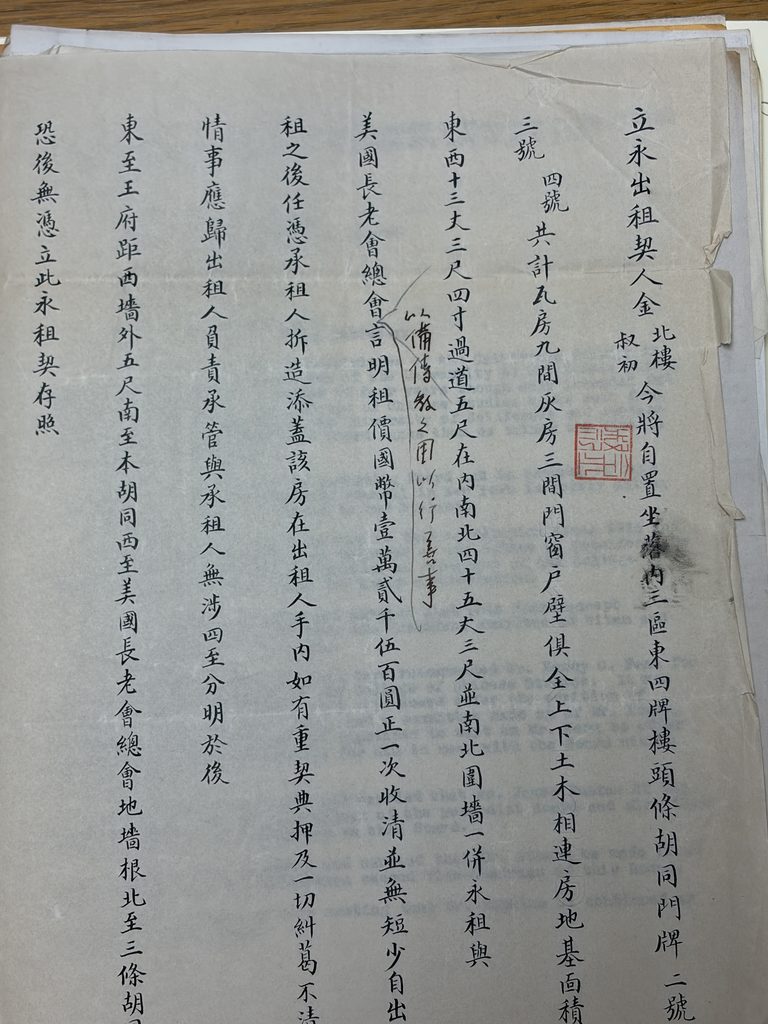
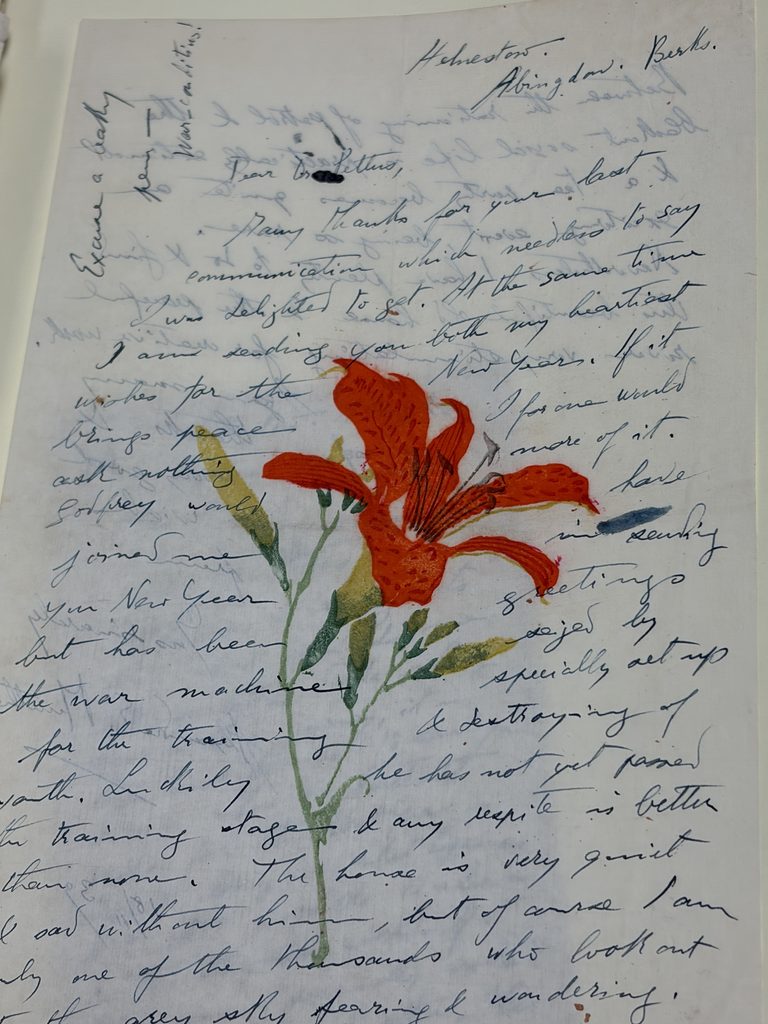
This week, I made my way through Boxes 5 and 6, and in doing so, came across several folders titled “Marines” or “Military Correspondence, 1945”. Of course, as I mentioned previously, Pettus regularly updated Trustees with on-the-ground reporting as World War II began on the Eastern front. However, this new correspondence is exceptionally interesting in that this was when the CCIC was based in Berkeley and actively working with the US military to train existing US soldiers in Chinese language and culture. In a clear reflection of this, the majority of the correspondence is with two majors and generals, who are directing the implementation of this program on the ground.
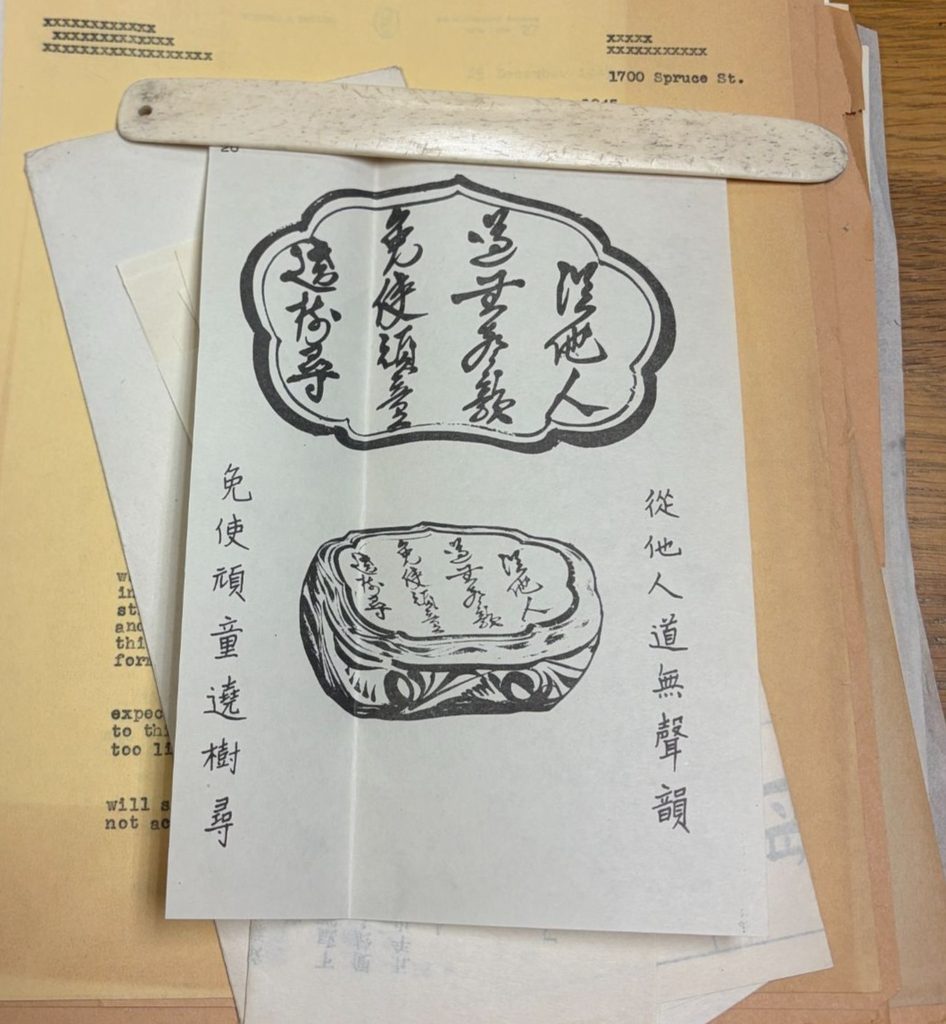
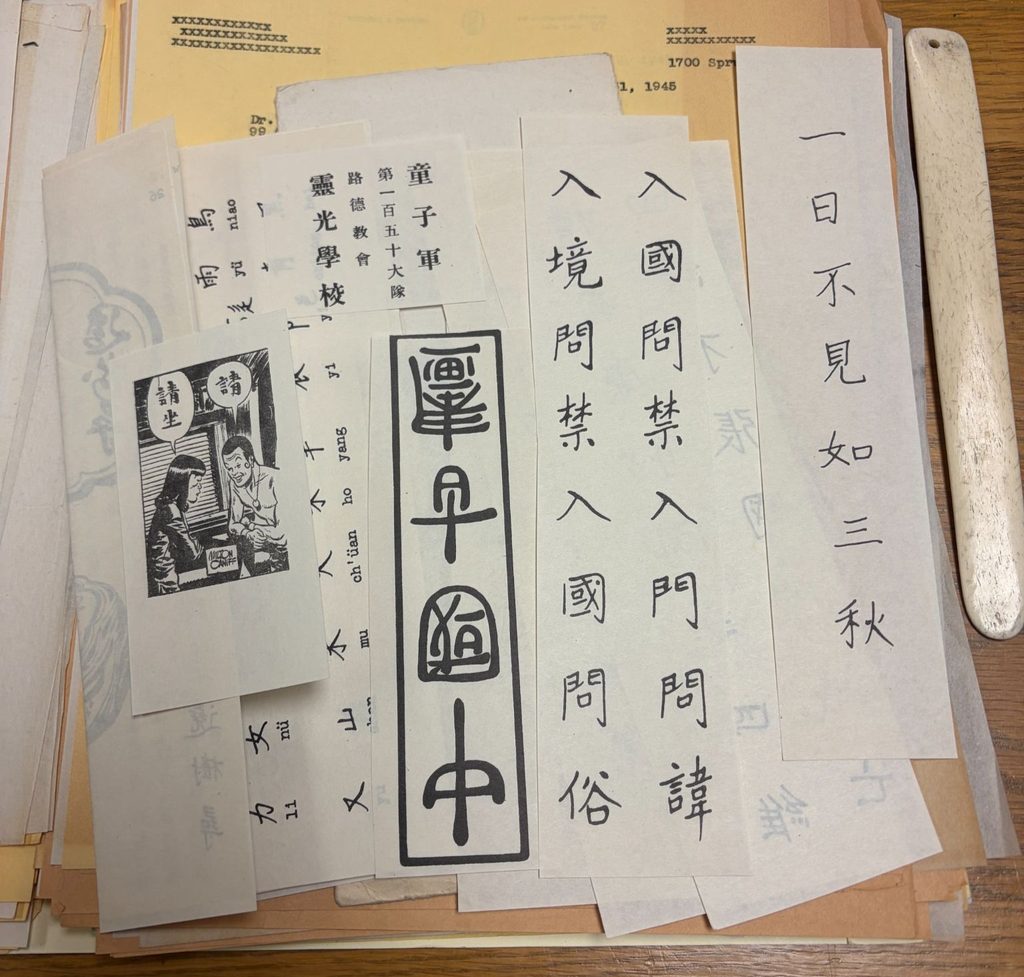
There are also applications and lesson materials from this time, and while at first glance, there are no glaring differences between the civilian and the military material, the applications are very different from other prospective students. These soldiers almost ubiquitously speak another language and have had experience/time stationed in China. Their reasonings for attending this program vary but are generally situated around the war effort.
It is easy, with the yellowing pages of the materials, to pretend as if these issues are very far in the past. Yet, some of the most robust language training remains with various military and intelligence agencies, and people are often recruited based solely off of language ability. Communication continues to play a key role in geopolitics and interpersonal relations around the world, and an immerse university like the CCIC would likely continue to find fruitful partnerships with the US military in the present day.
Thinking deeply,
Evelyn Hao